
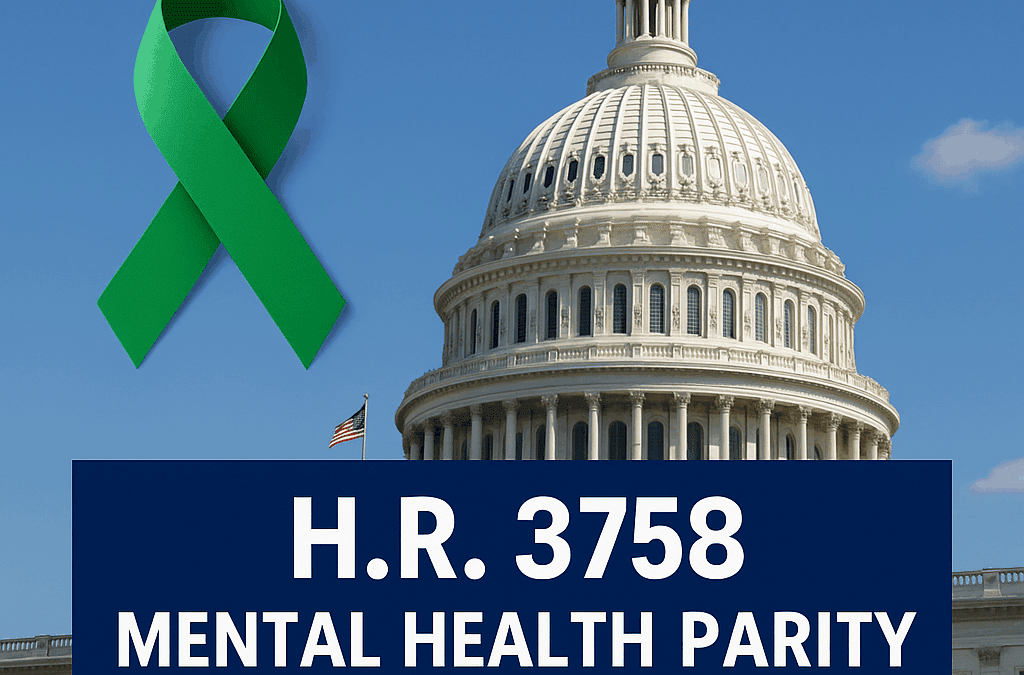
The introduction of H.R. 3758, the Workers’ Disability Benefits Parity Act of 2025 a major milestone in advancing ERISA mental health disability parity and promoting equal treatment for mental health and substance use conditions in long-term disability (LTD) insurance. The bill builds on findings from the 2023 ERISA Advisory Council report titled Long-Term Disability Benefits and Mental Health Disparity, which examined longstanding disparities in how long-term disability (LTD) insurance treats mental health and substance use conditions.
Mark DeBofsky, founding partner of DeBofsky Law, contributed to that report as a member of the Council’s drafting team. While he does not speak on behalf of the Advisory Council or the Department of Labor, his involvement helped inform a broader understanding that shaped the basis for this legislation.
What the Bill Proposes
Currently, many LTD plans place strict limits, typically 24 months, on benefits for mental health and substance use conditions. In contrast, physical disabilities often qualify for benefits until retirement age. H.R. 3758 prohibits this disparity. It bars disability plans from imposing restrictions on mental health or substance use claims that are more severe than those applied to physical conditions.
The bill also establishes enforcement mechanisms. It empowers the Department of Labor to impose civil monetary penalties for violations. These provisions give the law real strength, signaling a new era of accountability.
Foundation in ERISA Advisory Council Findings
The Advisory Council’s 2023 report concluded that duration limits for mental health and substance use disorders are discriminatory and unsupported by current clinical standards. The report was informed by testimony from actuaries, insurers, mental health professionals, and claimants.
It also pointed to international examples. Vermont mandates mental health parity in disability insurance, and Canada enforces similar protections through human rights legislation. Neither jurisdiction reported notable increases in cost or fraud.
Industry and Policy Reaction to H.R. 3758
Insurer Sun Life has expressed support for the bill, citing the need for equitable treatment of behavioral health. Industry groups like the American Council of Life Insurers (ACLI) have raised concerns about cost and adverse selection. However, actuarial data presented to the ERISA Council indicated that these fears may be overstated. Only a small percentage of LTD claims are terminated due to the current 24-month limit.
Importantly, all major LTD carriers already offer parity options, just not by default. The bill would simply make equitable treatment the standard, not the exception.
A Personal and Professional Milestone
For Mark DeBofsky, this bill represents the culmination of years of advocacy. A similar bill he supported in the Illinois General Assembly did not advance. But the introduction of H.R. 3758 shows momentum at the federal level.
This legislation also reflects broader national trends. The Mental Health Parity and Addiction Equity Act (MHPAEA)improved access to medical treatment. H.R. 3758 brings those principles into the disability insurance space.
What ERISA Mental Health Disability Parity Means for Claimants and Employers
If passed, H.R. 3758 would ensure that disability benefits are determined by the extent of a person’s impairment—not its cause. For claimants, it could mean longer-term financial stability. For employers and plan sponsors, it signals a shift in expectations and potential liability.
Employers should begin reviewing their LTD plan documents. Claimants currently facing 24-month limits may wish to consult counsel to understand how this bill could affect their rights if enacted.
Stay Informed
This legislation reflects the growing momentum for ERISA mental health disability parity, and we remain committed to supporting claimants and employers navigating these changes.
Contact us to discuss your LTD coverage or appeal options.